

shadow
> Blog – Expert Automotive Info from Geller’s Automotive in Byram, NJ

Vehicle Fluid Leaks

vehicle fluid leaks

Most drivers notice a spot under their vehicle at some point. Sometimes it is nothing serious, like water from the air conditioning system. Other times, it can be an early warning sign that something needs attention.  In this month’s blog post, we examine different types of vehicle fluid leaks and why it’s important to promptly address small leaks to avoid potential breakdowns and costly vehicle repairs.

Common Vehicle Smells

You are driving along, windows down, and then it hits you — that smell. Something is burning. Your stomach drops a little. Is this a big repair bill? Is your vehicle about to leave you stranded on the side of the road?  In this month’s blog post, we examine common vehicle smells and causes and what your vehicle may be trying to communicate to you.

Changing Temperatures

Spring often feels like a welcome break after winter, but for your vehicle, it can create some confusing operating conditions. A chilly morning may turn into a warm afternoon, and the next day might swing right back in the other direction. Until we are fully into the summer months, these changing temperatures can affect how your engine management system reads air, fuel, and combustion conditions. In this month’s blog, we highlight some reasons why you may notice rough idling, reduced MPG, or slight performance changes during spring.

Steering Wheel Vibration

A smooth ride is something every vehicle owner expects. When the steering wheel begins to vibrate or shake, it can be unsettling and often signals that something in the vehicle needs attention. Steering wheel vibration can originate from several systems within the vehicle, and understanding the possible causes can help you address the problem before it leads to more serious damage. In this month’s blog, we address the most common reasons a steering wheel may vibrate and what they may mean for your vehicle.

Engine Belts and Hoses

engine belts and hoses

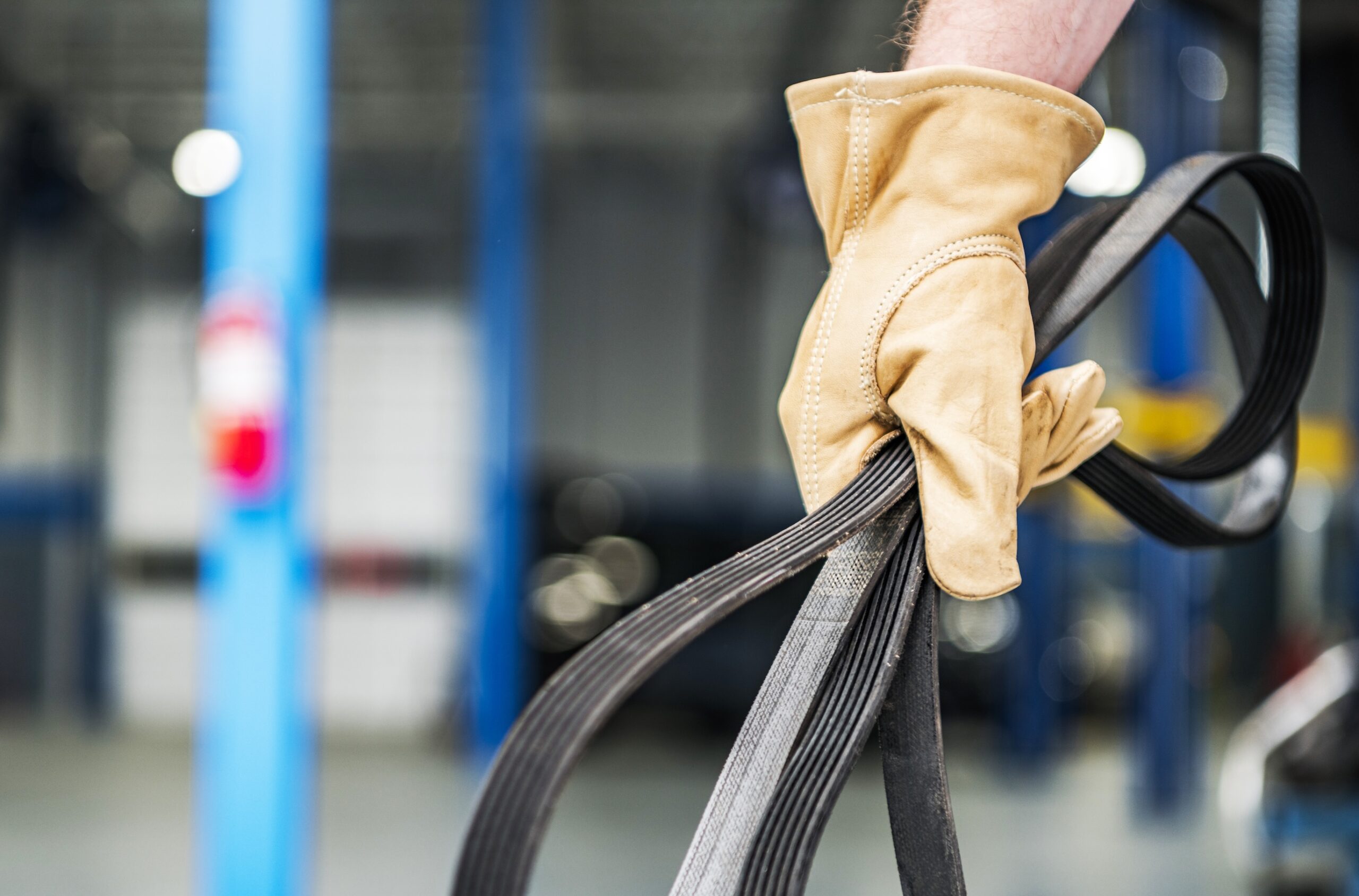
Winter weather can be tough on every part of a vehicle, but engine belts and hoses are especially vulnerable when temperatures drop. While many vehicle owners focus on batteries and tires during cold months, belts and hoses play a critical role in keeping the engine running properly. Ignoring them can lead to breakdowns at the worst possible time.  In this month’s blog post, we highlight what vehicle owners need to know about how winter affects engine belts and hoses, the warning signs of trouble, and how to prevent costly repairs.

Sensors and Winter

Winter has a way of making your vehicle feel “off” long before any warning light appears. Most drivers assume cold weather mainly affects the battery, but modern vehicles rely on a network of sensors that become more sensitive—and sometimes sluggish—when temperatures drop. In this month’s blog, we examine how these components struggle and how you may feel the symptoms even if the dashboard stays quiet.

Engine Mount Wear

engine mounts

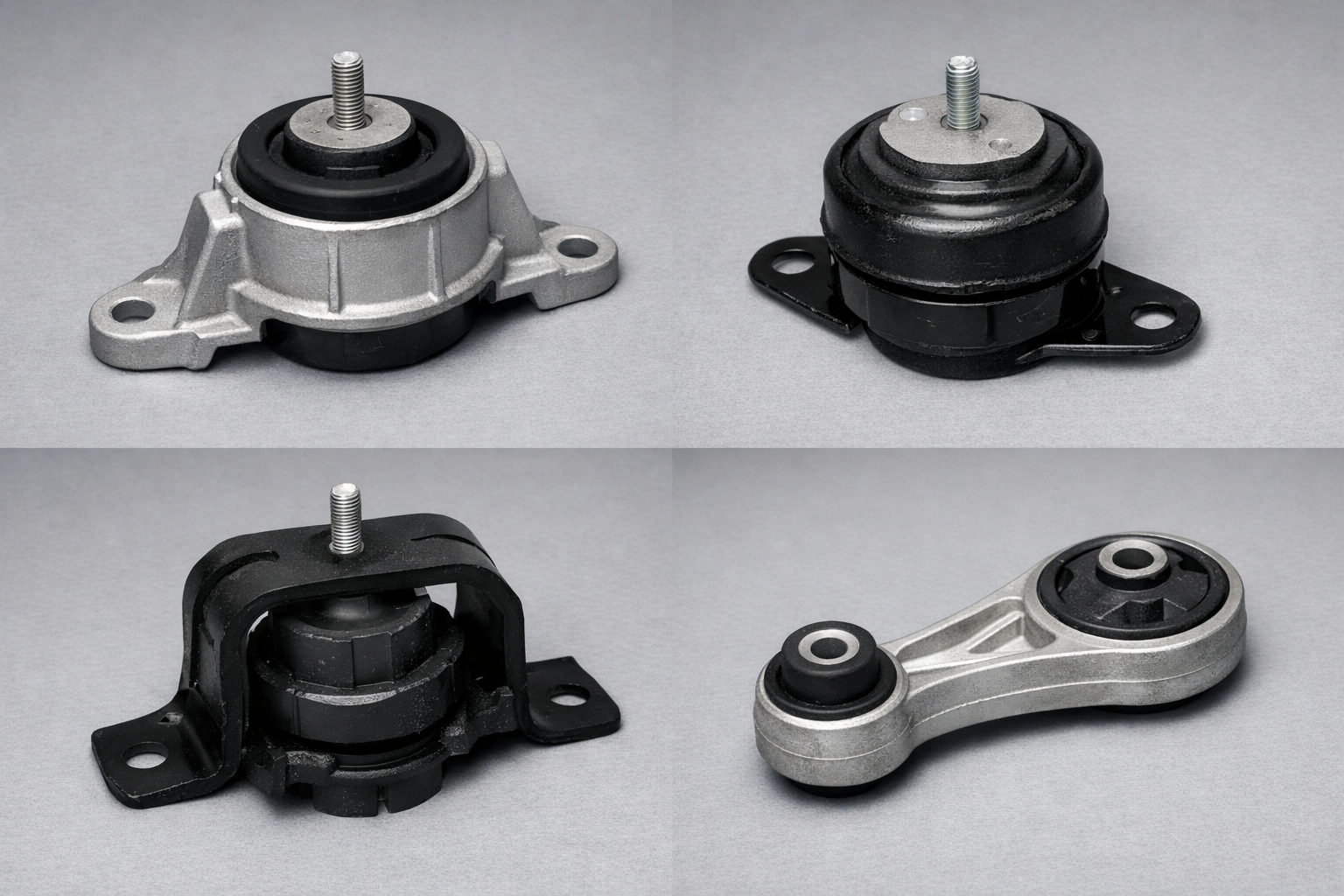
As winter weather descends upon us, you may be experiencing sudden, harsh vibrations when you start or shift your vehicle. While many vehicle owners assume this is a simple issue with the exhaust or an alignment problem, it is often a critical sign of Engine Mount Wear. Engine mounts are rubber-and-metal isolation components, and when cold temperatures stiffen their rubber, existing wear suddenly becomes noticeable.

In this month’s blog post, we explain the vital function of engine mounts, detail the specific signs and symptoms of their failure, discuss the causes of wear, and show why timely mount replacement is a preventative measure that saves more expensive parts of your vehicle’s driveline.

Your Heater and Defroster

heater and defroster

As temperatures begin to drop, preparing your vehicle for winter is more than just swapping out tires or topping off antifreeze. One of the most overlooked yet essential steps is ensuring that your vehicle’s heater and defroster are working properly. These systems are not only about comfort; they are critical for safety and visibility during cold weather driving.  In this month’s blog post, we examine the common problems with your vehicle’s heater and defroster, things to look for when there’s an issue, and ways to keep them maintained through the winter.

Seasonal Shifts and Vehicle Fluids

seasonal shifts and vehicle fluids

As the seasons shift from summer to winter, your vehicle’s fluids undergo more stress than you might think. These vital liquids—engine oil, transmission fluid, coolant, brake fluid, and windshield washer fluid—play critical roles in keeping your vehicle running smoothly. In this month’s blog post, we explain how temperature swings affect them and how you can help prevent breakdowns, extend your vehicle’s lifespan, and save money on repairs.

The Differential

the differential

When it comes to vehicle maintenance, most owners focus on oil changes, brakes, and tires. But one essential component often flies under the radar—the differential. Though it operates quietly beneath your vehicle, the differential plays a crucial role in handling, stability, and overall drivetrain performance. In this month’s blog post, we take a closer look at what the differential does, common issues to watch for, and how to keep it in top condition.