


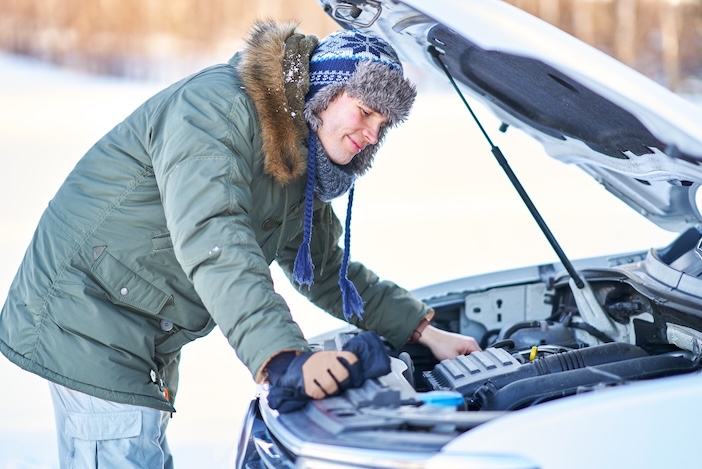
Winter has a way of making your vehicle feel “off” long before any warning light appears. Most drivers assume cold weather mainly affects the battery, but modern vehicles rely on a network of sensors that become more sensitive—and sometimes sluggish—when temperatures drop. In this month’s blog, we examine how these components struggle and how you may feel the symptoms even if the dashboard stays quiet.
Why Your Vehicle Feels Different in the Cold
Cold air is denser, thicker, and harder for your engine to manage. That alone can throw off the delicate balance of air and fuel your vehicle needs to run smoothly. Before a fault becomes severe enough to trigger a check‑engine light, you may notice rough idling, hesitation on acceleration, or poor fuel economy. These early signs often point to sensors reacting poorly to winter conditions.
Oxygen Sensors: Slow to Warm, Slow to React
The oxygen sensor is a small exhaust‑mounted device that measures how much oxygen is in the exhaust stream so the engine computer can adjust the air‑fuel mixture for proper performance and emissions control. Oxygen sensors need heat to function correctly. In freezing temperatures, they take longer to reach operating temperature, which delays accurate readings. That lag can cause temporary rich or lean fuel mixtures, leading to sluggish performance or a faint fuel smell. Because the readings eventually stabilize, the computer may not flag a fault—yet your drivability still suffers.
Mass Airflow Sensors: Cold Air, Big Impact
Your mass airflow (MAF) sensor measures how much air enters the engine. Winter air is denser, which means the sensor must work harder to interpret airflow changes. If the sensor is even slightly dirty, cold weather exaggerates the problem. You might feel stumbling on takeoff or inconsistent throttle response as the engine struggles to match fuel delivery to the incoming air.
Throttle Bodies: Ice, Condensation, and Stickiness
A throttle body is a valve assembly that controls how much air enters the engine, regulating power, idle speed, and overall drivability. Throttle bodies can accumulate condensation that freezes overnight. Even a thin layer of frost can cause the throttle plate to stick or move less smoothly. The result is jerky acceleration or a low, shaky idle—again, not always severe enough to trigger a warning light.
What You Can Do
- Keep sensors clean: A simple cleaning of the MAF sensor or throttle body can dramatically improve winter drivability.
- Warm the engine gently: A minute or two of smooth idling helps sensors reach operating temperature.
- Use high‑quality fuel: It reduces deposits that worsen cold‑weather sensor issues.
- Check for small vacuum leaks: Cold rubber contracts, making minor leaks more noticeable.
Winter does not just challenge your battery—it challenges your vehicle’s entire decision‑making system. If your vehicle feels off but no light is on, your sensors may simply be struggling with the cold. Addressing these subtle issues early keeps your vehicle running smoothly all season. If something seems “off” with your vehicle, contact the service professionals at Geller’s Automotive to schedule an inspection or service.