


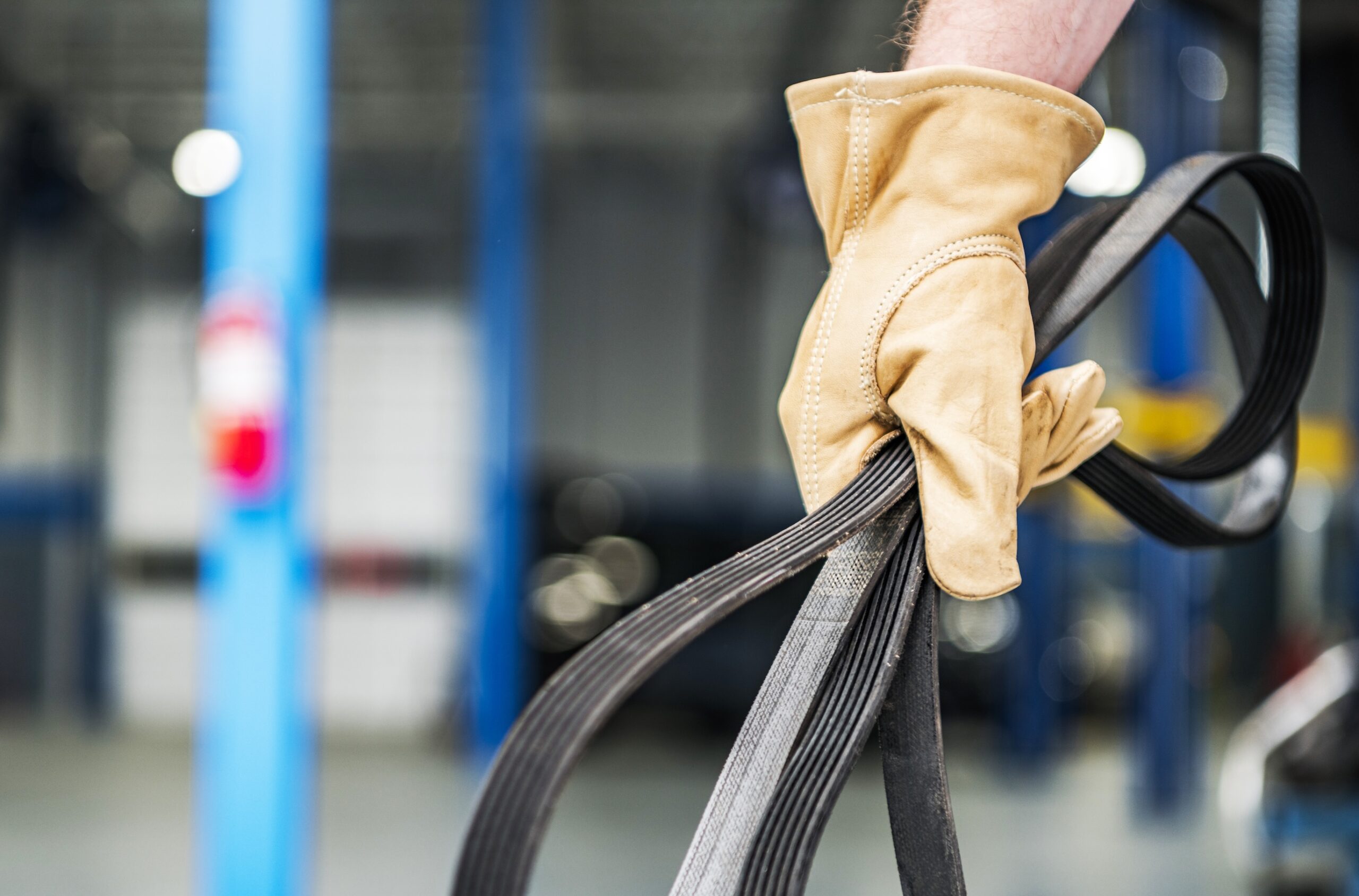
Winter weather can be tough on every part of a vehicle, but engine belts and hoses are especially vulnerable when temperatures drop. While many vehicle owners focus on batteries and tires during cold months, belts and hoses play a critical role in keeping the engine running properly. Ignoring them can lead to breakdowns at the worst possible time. In this month’s blog post, we highlight what vehicle owners need to know about how winter affects engine belts and hoses, the warning signs of trouble, and how to prevent costly repairs.
How Winter Weather Impacts Engine Belts
Most modern vehicles rely on a serpentine belt to power essential components such as the alternator, power steering pump, air conditioning compressor, and water pump. These belts are made of reinforced rubber compounds that are designed to be flexible. However, cold temperatures cause rubber to stiffen and lose elasticity.
When belts become rigid in freezing weather, they are more prone to cracking, glazing, and slipping. Rapid temperature swings, which are common in winter climates, can further stress the material. If a belt slips, it may not spin engine accessories efficiently, and if it breaks, the vehicle can stall or overheat.
Symptoms of Belt Problems
Vehicle owners should watch for:
- Squealing or chirping noises during startup
- Visible cracks, fraying, or glazing on the belt surface
- Battery warning light, which may indicate alternator issues
- Steering that feels heavier than normal
If any of these symptoms appear, the vehicle should be inspected promptly.
How Winter Weather Affects Engine Hoses
Engine hoses circulate coolant to regulate engine temperature. In winter, hoses face two major challenges: extreme cold and internal pressure changes.
Cold temperatures cause rubber hoses to harden and become brittle. At the same time, coolant expands and contracts as the engine heats and cools. This repeated cycle places stress on hose walls and connection points. Older hoses are especially vulnerable to cracking or developing leaks.
A failed radiator or heater hose can lead to rapid coolant loss and engine overheating, even during cold weather.
Symptoms of Hose Problems
Vehicle owners should look for:
- Coolant puddles under the vehicle
- Sweet smell from the engine compartment
- Engine temperature gauge rising unexpectedly
- Visible bulges, cracks, or soft spots on hoses
Any sign of coolant leakage requires immediate attention to prevent engine damage.
How to Mitigate Winter Damage
The best way to avoid winter-related belt and hose failures is proactive maintenance.
- Schedule an Inspection: Have a qualified technician inspect belts and hoses. If belts show cracking or wear, replacement is far less expensive than a roadside breakdown.
- Replace Aging Components: Belts and hoses typically have recommended service intervals. If your vehicle is approaching those mileage milestones, proactive replacement can prevent winter failures.
- Check Coolant Condition: Proper coolant mixture protects against freezing and reduces stress on hoses. A coolant test can confirm freeze protection levels and ensure the system is properly balanced.
- Monitor Under the Hood: Periodically inspect belts and hoses visually, especially during extreme cold spells. Look for changes in flexibility, surface damage, or leaks.
- Address Noises Immediately: Do not ignore squealing or unusual sounds during startup. Cold weather may amplify underlying belt tension or alignment issues.
Stay Ahead of Winter Breakdowns
Engine belts and hoses may not receive much attention, but they are essential to reliable vehicle operation. Winter weather increases the risk of cracking, leaking, and sudden failure. By recognizing early symptoms and taking proactive steps, vehicle owners can avoid costly repairs and ensure dependable performance throughout the cold season. Schedule your belt and hose inspection today by contacting the service professionals at Geller’s Automotive.