

shadow
> Blog – Expert Automotive Info from Geller’s Automotive in Byram, NJ

Engine Belts and Hoses

engine belts and hoses

Winter weather can be tough on every part of a vehicle, but engine belts and hoses are especially vulnerable when temperatures drop. While many vehicle owners focus on batteries and tires during cold months, belts and hoses play a critical role in keeping the engine running properly. Ignoring them can lead to breakdowns at the worst possible time.  In this month’s blog post, we highlight what vehicle owners need to know about how winter affects engine belts and hoses, the warning signs of trouble, and how to prevent costly repairs.

Sensors and Winter

Winter has a way of making your vehicle feel “off” long before any warning light appears. Most drivers assume cold weather mainly affects the battery, but modern vehicles rely on a network of sensors that become more sensitive—and sometimes sluggish—when temperatures drop. In this month’s blog, we examine how these components struggle and how you may feel the symptoms even if the dashboard stays quiet.

Engine Mount Wear

engine mounts

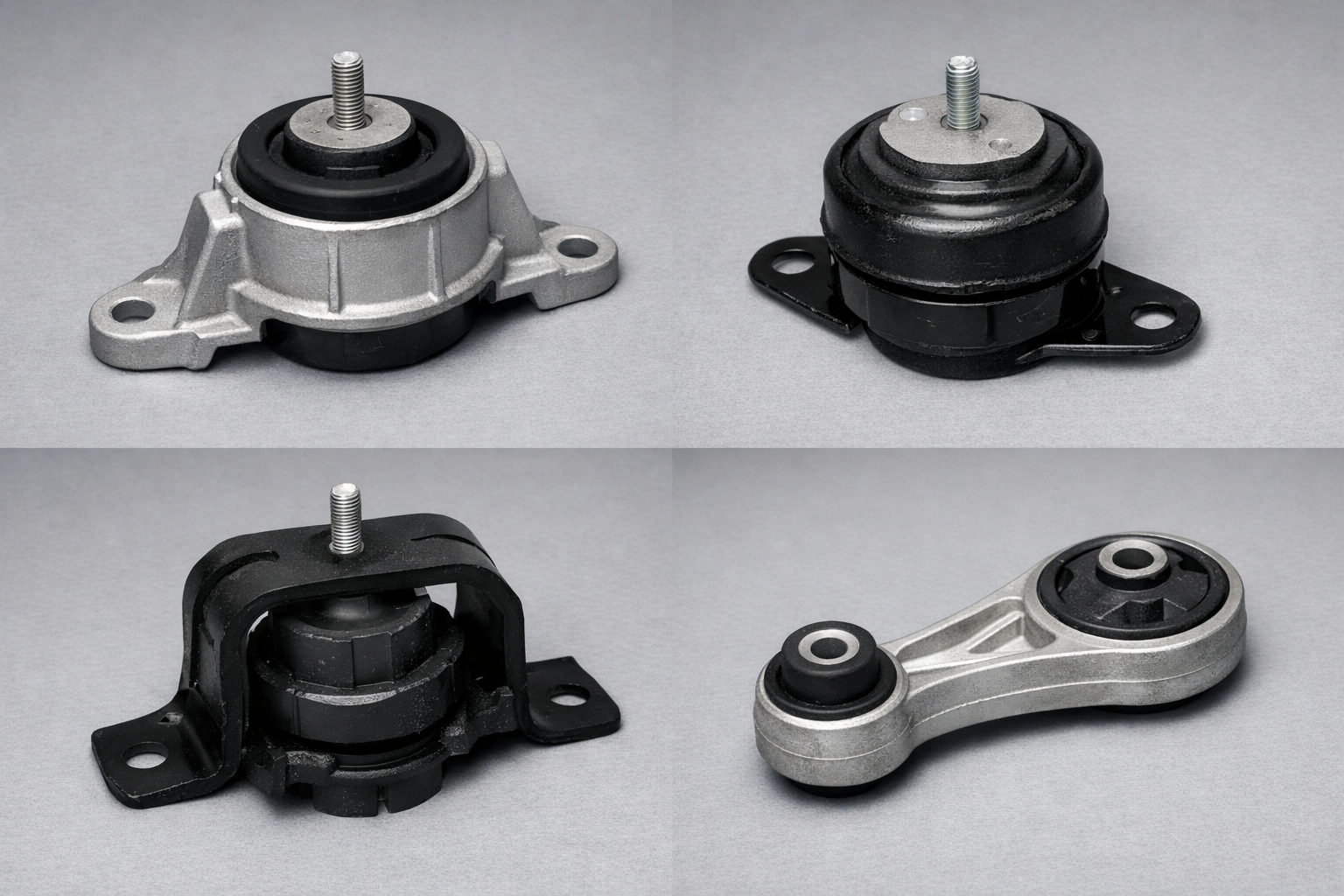
As winter weather descends upon us, you may be experiencing sudden, harsh vibrations when you start or shift your vehicle. While many vehicle owners assume this is a simple issue with the exhaust or an alignment problem, it is often a critical sign of Engine Mount Wear. Engine mounts are rubber-and-metal isolation components, and when cold temperatures stiffen their rubber, existing wear suddenly becomes noticeable.

In this month’s blog post, we explain the vital function of engine mounts, detail the specific signs and symptoms of their failure, discuss the causes of wear, and show why timely mount replacement is a preventative measure that saves more expensive parts of your vehicle’s driveline.

Your Heater and Defroster

heater and defroster

As temperatures begin to drop, preparing your vehicle for winter is more than just swapping out tires or topping off antifreeze. One of the most overlooked yet essential steps is ensuring that your vehicle’s heater and defroster are working properly. These systems are not only about comfort; they are critical for safety and visibility during cold weather driving.  In this month’s blog post, we examine the common problems with your vehicle’s heater and defroster, things to look for when there’s an issue, and ways to keep them maintained through the winter.

Seasonal Shifts and Vehicle Fluids

seasonal shifts and vehicle fluids

As the seasons shift from summer to winter, your vehicle’s fluids undergo more stress than you might think. These vital liquids—engine oil, transmission fluid, coolant, brake fluid, and windshield washer fluid—play critical roles in keeping your vehicle running smoothly. In this month’s blog post, we explain how temperature swings affect them and how you can help prevent breakdowns, extend your vehicle’s lifespan, and save money on repairs.

The Differential

the differential

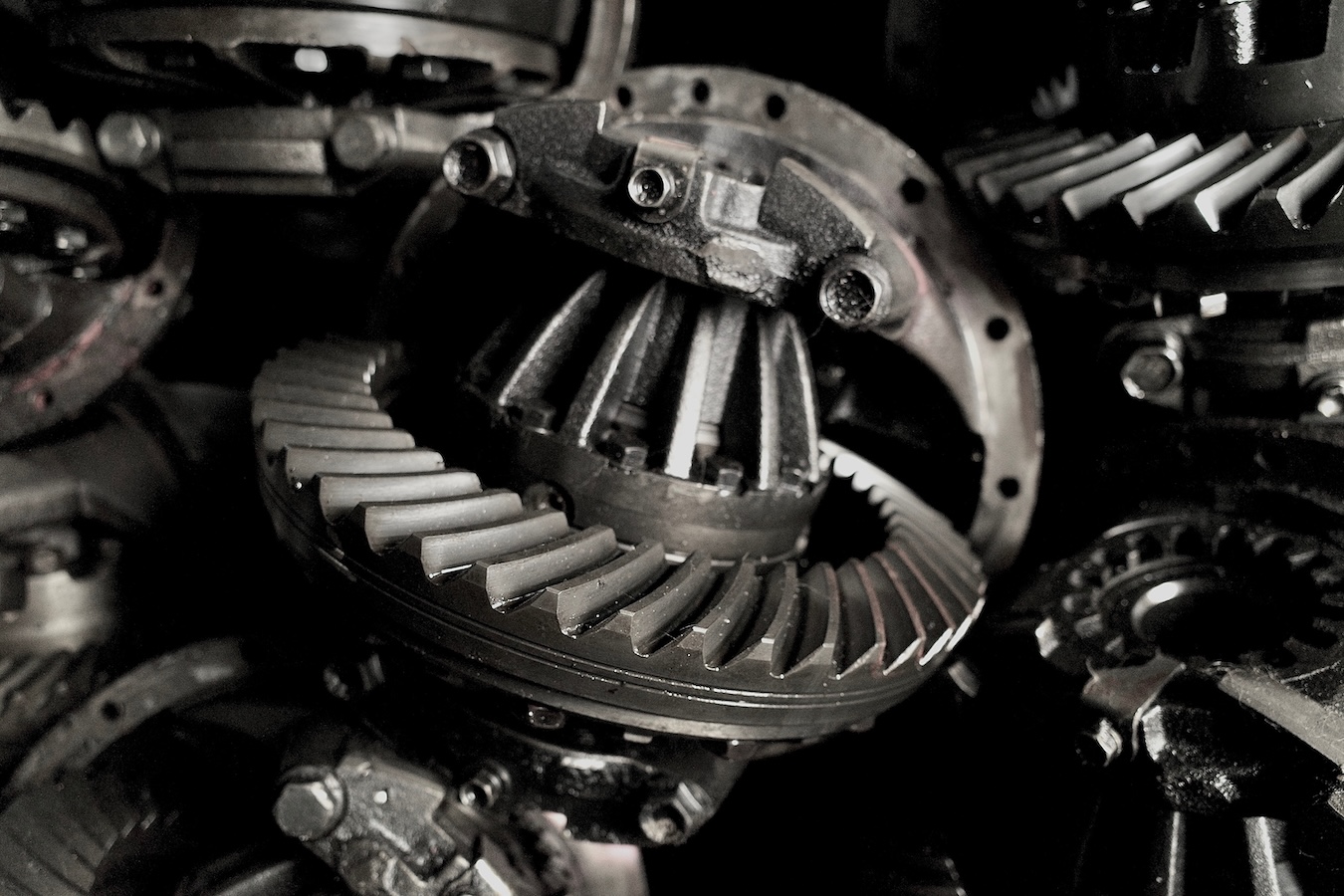
When it comes to vehicle maintenance, most owners focus on oil changes, brakes, and tires. But one essential component often flies under the radar—the differential. Though it operates quietly beneath your vehicle, the differential plays a crucial role in handling, stability, and overall drivetrain performance. In this month’s blog post, we take a closer look at what the differential does, common issues to watch for, and how to keep it in top condition.

Your Vehicle’s Fuel Efficiency

Soaring temperatures put a major strain on your vehicle’s fuel efficiency. Many drivers assume that warm weather improves fuel efficiency, and in some cases, that is true—engines reach optimal operating temperature faster, and cold-start inefficiencies are reduced. However, in extreme heat, like what many regions experienced this summer, fuel economy can suffer due to several compounding factors.  In this month’s blog post, we review what vehicle owners need to know about how hot weather affects fuel efficiency—and what can be done to minimize the impact.

Hot Weather Battery Failure

Summer road trips and sunshine might be great for you and your family, but they are no picnic for your vehicle’s battery. Extreme heat is often underestimated when it comes to vehicle performance, yet it’s one of the leading causes of hot weather battery failure during the summer. In this month’s blog post, we share tips to prevent you from being stranded and explain what high temperatures do to your battery, and how to keep things running smoothly.

Essential Summer Vehicle Prep Tips

Summer is the perfect season for road trips, but before hitting the highway, it’s crucial to make sure your vehicle is ready to handle long miles, high temperatures, and unpredictable conditions.  In this month’s blog post, we review essential summer vehicle prep tips. A little preparation can help you avoid breakdowns, improve safety, and ensure a stress-free journey.

Your Vehicle’s Cooling System

As temperatures rise, your vehicle’s cooling system becomes even more critical in maintaining engine health. Summer heat can push your cooling system to its limits, making proper maintenance essential for smooth operation. In this blog post, we explore the key components of the cooling system, their functions, common issues, and steps to ensure peak performance during warmer weather.