


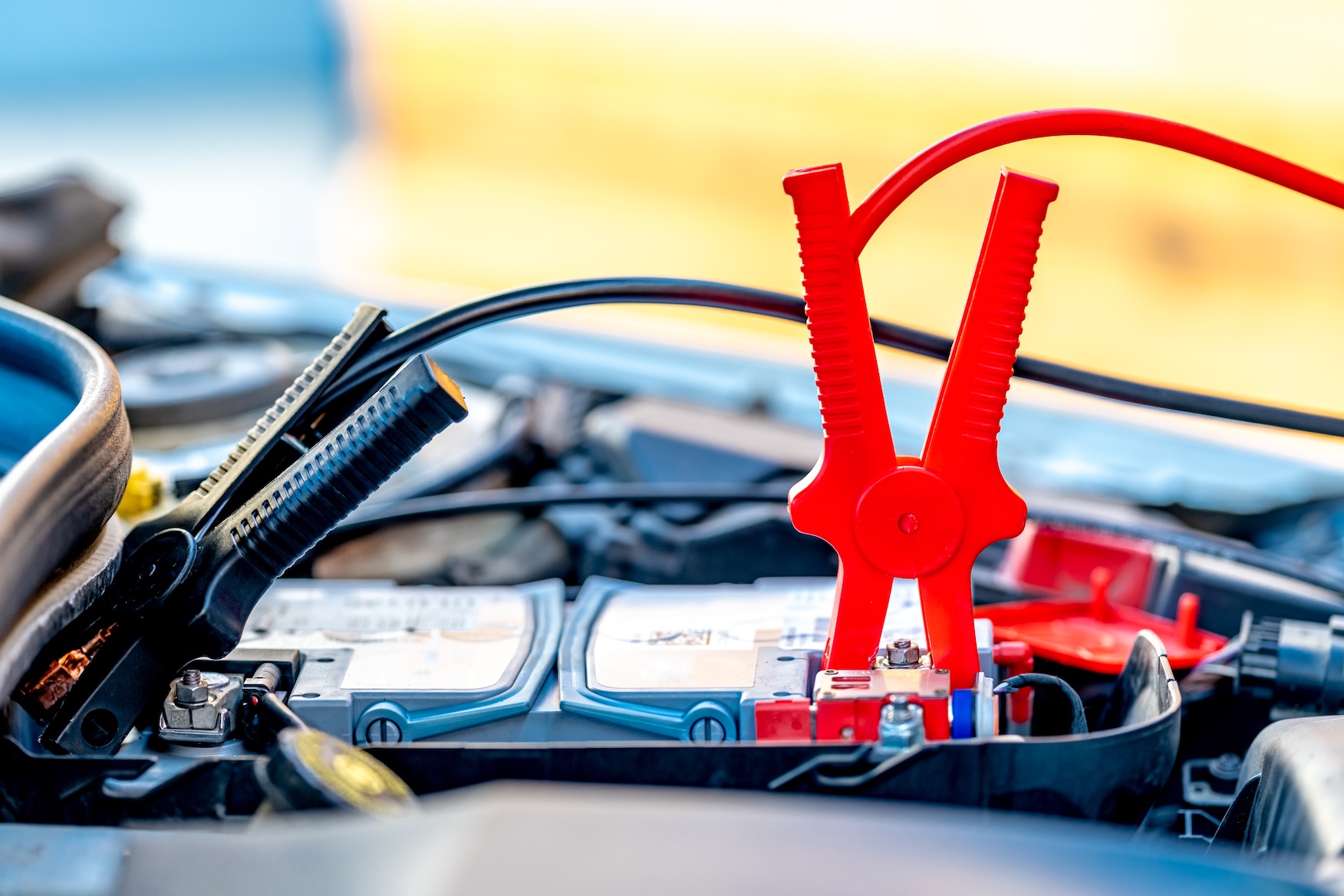
Summer road trips and sunshine might be great for you and your family, but they are no picnic for your vehicle’s battery. Extreme heat is often underestimated when it comes to vehicle performance, yet it’s one of the leading causes of hot weather battery failure during the summer. In this month’s blog post, we share tips to prevent you from being stranded and explain what high temperatures do to your battery, and how to keep things running smoothly.
What Heat Does to Your Battery
When temperatures soar past 90°F, battery fluid evaporates faster, especially in older batteries. This evaporation leads to internal corrosion and weakens the battery’s ability to hold a charge. Heat also speeds up chemical reactions inside the battery, which ironically can cause it to wear out faster.
Common Issues and Warning Signs
Watch for:
- Slow engine crank – The engine struggles to turn over on startup.
- Swollen battery case – Excessive heat can warp the battery housing.
- Dim headlights or flickering electronics – A struggling battery cannot power accessories effectively and will be noticeable when using headlights or any cabin electronics.
- Dashboard battery warning light – It’s not just decorative—take it seriously.
Preventative Maintenance Tips
A few simple checks can extend your battery’s life:
- Inspect and clean terminals – Corrosion buildup can block proper connection.
- Check fluid levels if your battery is not sealed.
- Secure the battery – Loose mounting increases vibration, which damages internal components.
- Park in the shade – Reducing ambient heat can slow fluid evaporation.
- Run regular tests – Auto shops and many retailers offer quick battery health checks, often for free.
When to Replace Your Battery
If your battery is over three years old, it’s worth considering a proactive replacement – especially before a long summer trip. Batteries lose efficiency over time, and heat only accelerates the decline. If you have noticed any of the signs above, or if you are unsure about its age, don’t wait until it dies to act.
Frequently Asked Questions
Q: Can heat damage a new car battery? Yes, even new batteries are vulnerable to heat stress. While they tend to hold up better than older ones, excessive heat can still accelerate wear and shorten their lifespan.
Q: How often should I test my battery in summer? Every 2–3 months during peak heat is a good rule of thumb, especially if your drives involve long distances or heavy accessory use.
Q: Is it better to replace a weak battery before or after a summer trip? Before! If your battery is showing signs of weakness—slow starts, dim lights, or it’s approaching the 3-year mark – it’s safer to replace it ahead of travel.
Q: Does turning off electronics help the battery in hot weather? Yes. Minimizing the use of A/C, charging ports, and infotainment when idling can reduce stress on the battery and preserve charge.
Q: Can I recharge a battery that’s been affected by heat? Sometimes. If it’s simply discharged, a recharge may work. But if the battery casing is swollen or fluid levels have dropped significantly, replacement is likely the safer option.
Get your battery tested and/or replaced by scheduling an appointment with the service professionals at Geller’s Automotive.